For me, a career in construction was almost inevitable.
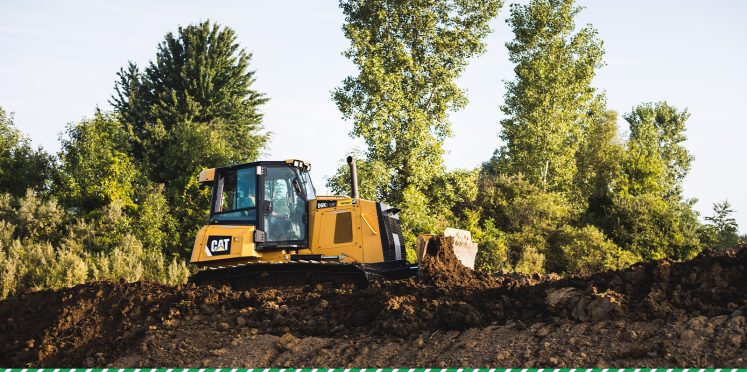
I grew up in a blue-collar family with strong ties to construction and working with our hands. From an early age, I worked on a farm and operated heavy equipment, experiences that shaped my interests years before I started thinking seriously about my career and where I wanted to take my life.
Looking back on it now, those early experiences gave me a running start. But it also taught me that while construction may have been part of my upbringing, it certainly does not have to be part of yours for you to build a successful future in this industry.
There is no single pathway into construction. Some people grow up around it. Others discover it through a class, a teacher, a mentor, an after-school program, or an opportunity they never expected. No matter where you begin, there are people throughout this industry who are willing to answer questions, share what they have learned, and help you find your way forward.
Discovering What Construction Could Offer
My career path began to take shape in high school when I joined the South & West Washtenaw Consortium Building Trades program. Through this organization, I had the opportunity to help build a house from the ground up and contribute to each phase of the project, from the foundations and wood framing to the electrical installation and interior finishes.

That was an eye-opening experience that made me aware of the number of people, skills, and individual contributions required to bring a project to fruition. It was rewarding to see the results of my work take shape before my eyes, but it also made me curious about what happened beyond the physical labor to get a project from A to B.
After graduating from high school, I attended Washtenaw Community College for a year before transferring to Ferris State University, where I earned my Bachelor of Science in Construction Management. While at Ferris, I continued adding to my construction experience by working in the university’s carpentry department, completing miscellaneous projects throughout campus. I also took on side work with a friend, which added to my experience and helped me pay my way through college.
During my junior year, I accepted my first internship with Ideal Contracting. Most of my previous experience had been in residential and light-commercial construction, so entering the world of a large industrial construction company was a significant adjustment. I was suddenly exposed to larger projects, different challenges, and new levels of coordination. Rather than making me question whether I had chosen the right path, the experience deepened my interest in construction and showed me how many opportunities the industry offered.
After graduating from Ferris State, I joined Ideal Contracting full-time. Ten years later, I have experienced more personal and professional growth than I could have imagined when I was starting out.
More Than One Way to Build a Career
A common misconception about construction is that the industry offers limited career pathways, and that’s just simply not the case.
The skilled trades are essential to everything we do, and the opportunities available to tradespeople are endless. At the same time, construction also relies on project managers, estimators, engineers, safety professionals, and many others who work together behind the scenes and in the field.
Some people enter the industry through an apprenticeship and build their careers in the trades. Others pursue construction management, engineering, or another specialized area through higher education. Some begin working immediately after high school, while others discover construction after starting down a completely different career path.
The important distinction is not whether your path looks like mine or anyone else’s, but instead recognizing that a place for you may exist within this industry, even if you haven’t discovered it yet.
My path was relatively linear. I was introduced to this world at a young age, participated in a building trades program, earned a degree in construction management, completed an internship, and joined the industry full-time. However, that should not be and is not considered the standard everyone must follow.
Helping Students See the Possibilities
As rewarding as it has been to manage projects throughout Southeast Michigan and work with one of the world’s largest automotive companies, General Motors, one of the most meaningful parts of my career has been the opportunity to give back to programs that introduce young people to construction. I am proud to serve on the board of the South & West Washtenaw Consortium, the program that helped shape my career, as well as on the advisory boards of Milan and Dexter High Schools. Through this involvement, I work to connect students and teachers with construction companies and industry organizations that offer insights, resources, and real-world opportunities. These programs give students the chance to experience construction before being asked to decide whether it is what they want for their career.
Students can learn how to use tools, understand building systems, read blueprints, collaborate with others, and see the direct results of their work. They can also discover that careers in construction are beyond any one job or career track. Early exposure to the industry allows them to make more informed decisions about their futures, whether that means entering a union apprenticeship program, pursuing higher education, or exploring other professional opportunities.
Career and technical education programs can be especially eye-opening for students who do not have family members or personal connections in construction. For those students, a classroom experience, jobsite tour, guest speaker, internship, or conversation with an industry professional may be the first time they can truly picture themselves building a career in this field.

Watch Our Ideal Stories
Learn more about Andrew's own pathway to a career in construction, as well as other stories from across our organization on our Ideal Stories page.