When most of us envision a construction project, we picture the highly visible components, such as the steel rising into the skyline, exterior walls taking shape, and buildings coming to life with construction activity. But what often goes unnoticed is the extensive work that takes place before any of that can happen.
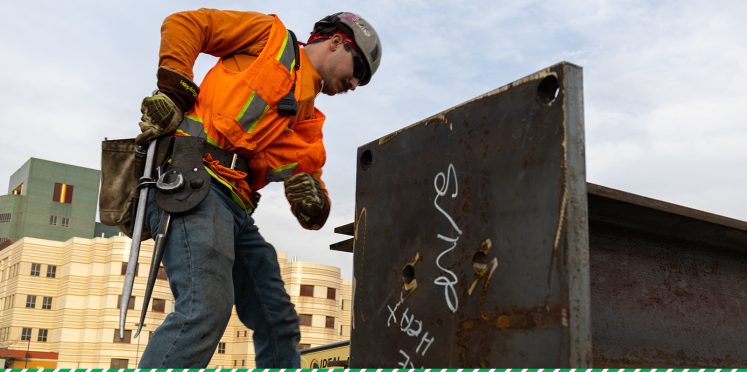
Civil construction is the critical first phase that prepares a project site for everything that’s built on top of it. The term encompasses a wide range of construction activities, including excavation, utility installation, detention systems, pump stations, foundations, earth retention, site grading, and support for mechanical, electrical, and plumbing (MEP) systems. While the vertical construction focuses on the structures being built above ground, civil construction is largely focused on the foundational and infrastructure elements below and around them.
Setting the Stage For Project Success
Civil contractors are often among the first teams to mobilize on a project site, helping set the tone for the work that will follow. The role of civil crews extends beyond moving dirt and installing utilities to establish the conditions that will allow other trades to perform their work safely and efficiently. Whether it be a manufacturing plant, commercial development, healthcare facility, or infrastructure improvement, nearly every construction project depends on some level of civil support.

Supporting Owners + Trade Partners
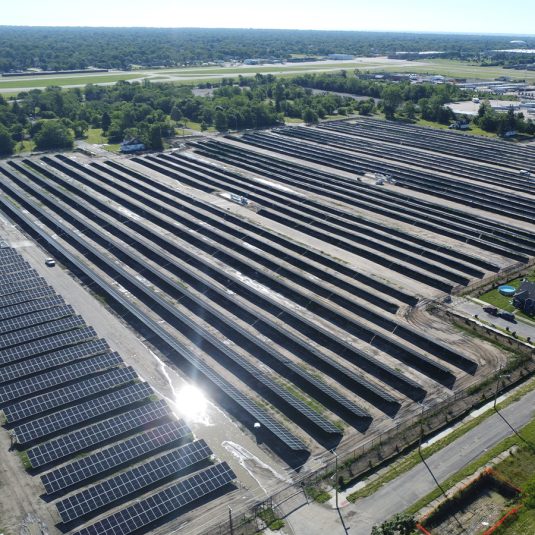
At Ideal Contracting, we support project owners with civil scopes ranging from site demolition and preparation to foundation support and infrastructure installation. We also work closely with our MEP trade partners, providing services such as underground utility trenching, duct bank encasements, pipe and cable trench shoring, grading, and stormwater management. This collaborative approach allows us to support projects of all sizes, markets, and complexities, from mission-critical data centers and utility-scale solar developments to complex industrial and manufacturing facilities across Michigan and beyond.
Some projects naturally require a greater concentration of civil work than others. Highways, bridges, tunnels, airports, and water and wastewater facilities are among the most civil-intensive project types, but even traditional building projects rely heavily on the successful execution of civil scopes during the early stages of construction.
Civil construction also presents unique challenges depending on the project environment. Brownfield and urban sites often involve existing infrastructure, environmental concerns, difficult logistics, and unforeseen conditions that require careful planning and coordination. Greenfield projects, while generally offering more flexibility and fewer conflicts, can require significant earthwork, environmental permitting, and the development of entirely new infrastructure systems. In either case, success depends on experienced teams that can anticipate risks and adapt to changing site conditions.
Why Early Civil Contractor Involvement Matters
One of the most important factors in project success is involving civil contractors early in the planning and design process. Early collaboration allows project teams to develop realistic schedules, identify constructability concerns, and uncover value engineering opportunities before construction begins. It also helps teams proactively address challenges such as utility conflicts, access limitations, soil conditions, environmental considerations, and resource availability. Solving these issues upfront reduces risk, improves budget certainty, and helps prevent costly delays later in the project lifecycle.
Choosing the right civil construction partner requires more than merely finding a contractor that can perform a specific scope of work. It’s about selecting a team that understands how civil work impacts the success of the entire project. As a general contractor with extensive self-perform heavy civil capabilities, Ideal Contracting brings a broader project perspective that helps align civil activities with overall project goals. When the groundwork is planned and executed correctly, every phase that follows is positioned for greater success.


Toyota Powertrain Lab Expansion Phase 2
The Toyota Powertrain Expansion Phase 2 project was one of the final projects in Toyota’s 4-year corporate realignment. It provided building functionality for powertrain engineering, research, and development. Additionally, the project provided office space for...
Learn More
DTE Castle Solar Park
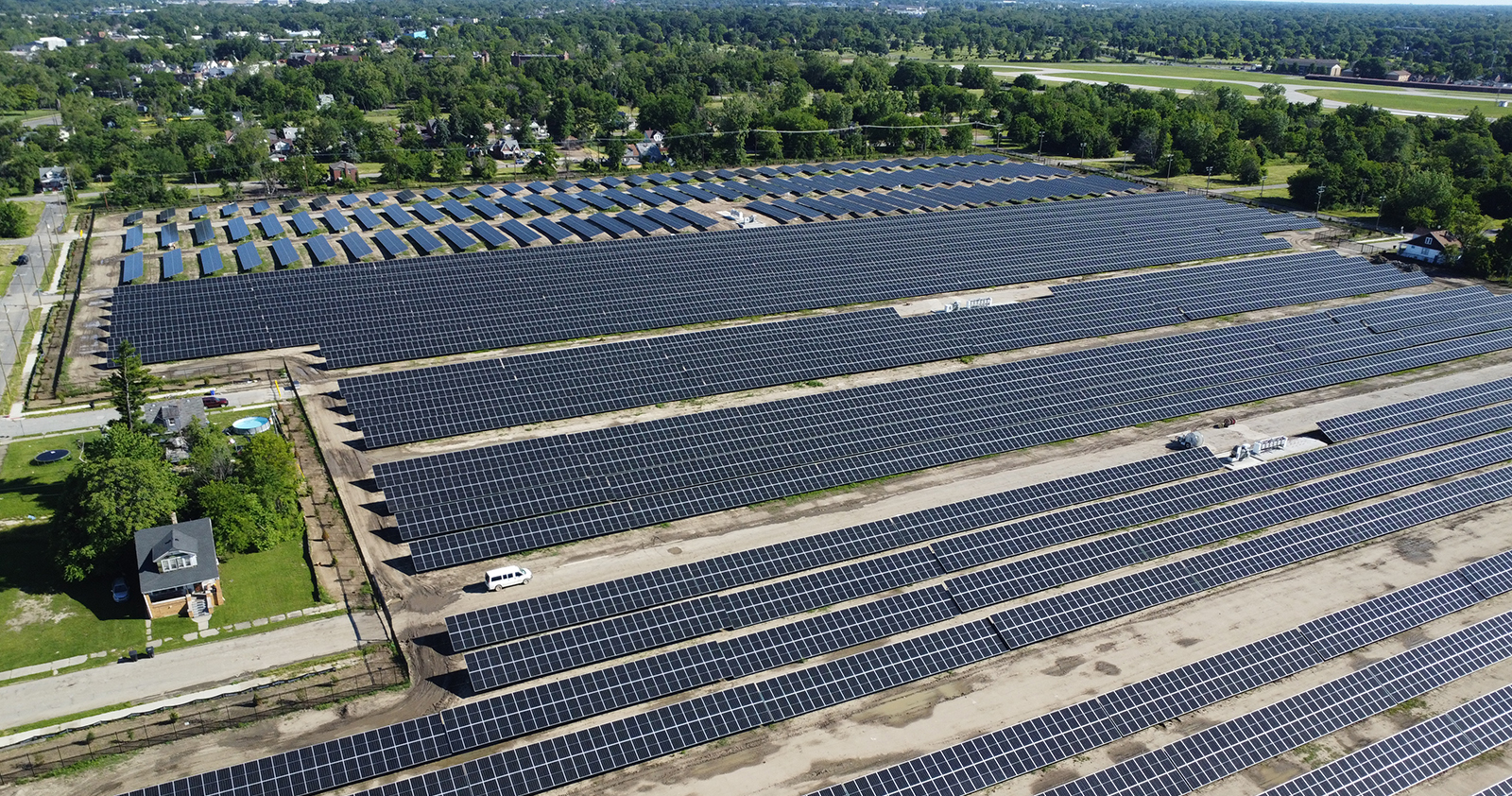
Ideal Contracting partnered with Motor City Electric to deliver a new 40-acre solar field on a reclaimed brownfield site in Detroit. The 10-megawatt renewable energy project, part of a development agreement between the City of...
Learn More
Bluewater Compressor Station
The Bluewater Gas Storage project consisted of installing a new compressor designed to increase Bluewater’s operating pressure. Ideal Contracting self-performed the excavation and concrete work for this project. The scope included earthwork, fencing, laydown areas,...
Learn More
Little Caesars Arena Perimeter Buildings
Ideal Contracting was awarded the contract to furnish and erect the structural and miscellaneous steel for perimeter buildings AB, C, and DE at the Little Caesars Arena. Both Building AB and C of the arena...
Learn More